



Polyurethane vs Rubber Sway Bar Bushings: Pros, Cons & Price Comparison
Polyurethane vs Rubber Sway Bar Bushings: Pros, Cons & Price Comparison
Every car owner eventually faces the need to replace sway bar bushings, and choosing between polyurethane and rubber parts is often a tough call. That choice affects not just handling and driving comfort, but also how soon you'll have to deal with this question again. In this article, we'll dive into the world of sway bar bushings, tracing their evolution and the technical differences behind them. We'll compare the materials they're made from and look at what drives their wear resistance and overall performance. We'll also cover real feedback from drivers who've already made the choice between polyurethane and rubber and can share their experience and practical advice. After all, choosing the right sway bar bushings is key to safety and comfort on the road — not something worth underestimating.
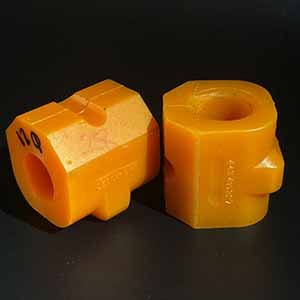
What Are Sway Bar Bushings?
Sway bar bushings are key suspension components that keep a car stable and comfortable to drive. They're made from either rubber or polyurethane and are mounted on the anti-roll bar, connecting it to the suspension. They perform several key functions:
Reducing vibration and noise transmitted from the road surface to the car body.
Preventing premature wear of suspension parts by reducing impact loads.
Improving the sway bar's efficiency, which contributes to better handling.
Worn bushings can cause squeaking and instability, so replacing them on time matters for driving safety.
The choice of bushing material affects the car's overall characteristics and deserves careful consideration. Below, we'll look at the specifics of polyurethane and rubber bushings to help you make the right choice.
The History and Evolution of Sway Bar Bushings
Sway bar bushings appeared roughly at the same time anti-roll bars were introduced into the automotive industry. The anti-roll bar, also called a sway bar, is an important suspension component used to reduce body roll in corners and improve a vehicle's stability.
Early history: Anti-roll bars started being used in the 1920s. They were among engineers' first attempts to improve vehicle handling and stability.
These components mattered especially for vehicles with a high center of gravity, where body roll in corners was a significant problem.Development and refinement: As the automotive industry grew and safety and comfort requirements increased, anti-roll bars became a standard part of most vehicles.
Sway bar bushings, originally made from metal, later began to be made from more flexible and durable materials such as rubber and, later, polyurethane, which reduced noise and vibration and improved ride comfort.Modern materials and technology: In modern vehicles, sway bar bushings are made from a range of materials chosen for an optimal balance of flexibility, strength, and durability. Rubber is still the material most manufacturers use as standard, but in the aftermarket and tuning world, polyurethane keeps gaining ground thanks to its performance characteristics.
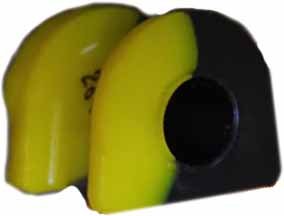
Polyurethane vs Rubber Sway Bar Bushings: A Side-by-Side Comparison
When choosing a material for sway bar bushings, it's important to factor in how the car is actually driven. Polyurethane bushings offer greater strength and wear resistance, which makes them a better fit for demanding conditions — racing, off-road driving, or simply high mileage. They also deliver more direct feedback from the suspension, which matters to drivers who want maximum control over the car. That said, polyurethane can be less elastic if the parts come from an unproven manufacturer (often a result of how difficult the polymer is to process correctly), which can potentially reduce ride comfort.
On the other hand, rubber sway bar bushings have traditionally been used in cars for their ability to absorb vibration and noise, delivering a more comfortable ride, a lower price, and wider availability. However, rubber bushings tend to wear out faster and lose their original properties sooner, especially under aggressive driving or heavy loads. Ultimately, the choice between polyurethane and rubber sway bar bushings should come down to the driver's priorities around handling and comfort, as well as how the car is actually used.
Sway Bar Bushing Replacement Cost: Polyurethane vs Rubber Pricing
Comparing polyurethane and rubber sway bar bushings, you'll typically find that polyurethane bushings cost more. Polyurethane, as a material, tends to cost more because of its high performance characteristics, particularly better wear resistance and durability. Rubber bushings, on the other hand, are the more budget-friendly option and are used as the standard solution in most vehicles. Rubber bushing prices vary by manufacturer and quality, but they're generally more affordable than polyurethane.
Here's a price comparison table for polyurethane and rubber sway bar bushings on a Volkswagen Golf 3:
Bushing Type.... | Price Range (UAH/pc) |
Rubber bushings.... | 70-150 |
Polyurethane bushings.... | 150-260 |
When choosing between polyurethane and rubber sway bar bushings, it's also worth weighing more than just the upfront price — the extra benefits manufacturers offer matter too. One key advantage of polyurethane bushings is that they often come with a manufacturer's warranty. That warranty can cover material or manufacturing defects and adds extra confidence in the product's quality and durability. Rubber bushings, on the other hand, are usually sold without a warranty. That means if a rubber bushing wears out or fails quickly, the cost of replacing it again falls entirely on the buyer. So while polyurethane bushings may cost more upfront, given how often lower-quality rubber parts are counterfeited or simply cut corners on quality, they can turn out to be the more cost-effective choice in the long run thanks to warranty coverage and greater durability.
Get a Consultation on Choosing the Right Parts:
VIBER

TELEGRAM

Customer Reviews and Real-World Experience
Based on feedback from car owners, the choice of bushing material largely comes down to how the car is driven and personal preference. Polyurethane bushings are often praised for their durability and improved handling, especially on rough roads. That said, some users note that they can feel noticeably stiffer, which affects comfort around town. Here are a few points that come up often in reviews:
Improved handling and stability at higher speeds.
A longer service life compared to rubber equivalents.
Possible reduced comfort due to the material's stiffness.
On the other hand, rubber bushings are favored for their ability to deliver a softer, more comfortable ride. They absorb road vibration and noise better, making them the ideal choice for drivers who value comfort over outright performance. However, rubber bushings tend to wear out faster, especially under aggressive driving or extreme temperatures. Owners point to the following:
Higher comfort on city streets.
Lower cost and easier replacement compared to polyurethane.
The need for more frequent replacement due to faster wear.
Which Sway Bar Bushings Should You Choose — Polyurethane or Rubber?
Wrapping up this look at polyurethane and rubber sway bar bushings, the choice between the two materials remains a genuine debate among car enthusiasts. Sway bar bushings are key suspension components that affect handling and road safety. Polyurethane is a synthetic material that offers high strength and durability but costs more. Polyurethane parts, such as control-arm bushings and sway bar bushings, can handle heavy loads and deform less under outside stress, including during intensive use of your vehicle.
Rubber parts, on the other hand — including control-arm bushings — are usually inexpensive but less durable. While they deliver a more comfortable ride, especially around town, they wear out faster and may need more frequent replacement. That matters especially for suspension components that are constantly under load while driving.
The final choice between polyurethane and rubber comes down to driver preference, how the car is used, and budget. Polyurethane sway bar bushings are often chosen for their durability and high strength, though it's worth keeping in mind that they can cost more. Rubber sway bar bushings, meanwhile, offer a softer ride and a lower price, but may need to be replaced more often.
So there's no single right answer — both rubber and polyurethane have their advocates and their arguments. That said, polyurethane keeps gaining ground in the automotive industry thanks to its properties and its ability to improve handling without sacrificing comfort or safety.
Frequently Asked Questions
How often should you replace sway bar bushings?
How long sway bar bushings last depends on the material, driving conditions, and road quality. Rubber bushings typically last 50,000-70,000 km (about 31,000-43,000 miles), while polyurethane ones can last over 100,000 km (about 62,000 miles). Either way, it's a good idea to check bushing condition at every service.
Do sway bar bushings affect handling?
Yes, sway bar bushings play an important role in how a car handles. They keep the sway bar working correctly, which helps reduce body roll in corners and improves the car's stability on the road.
Can you replace sway bar bushings yourself?
Yes, replacing sway bar bushings is a job you can do yourself if you have the right tools and some mechanical skill. That said, if you're not confident, it's better to have a professional handle it.
What are the symptoms of worn sway bar bushings?
Worn sway bar bushings often show up as clunking or squeaking from the suspension, especially over bumps, along with reduced handling and faster tire wear. If you notice these signs, it's worth checking the bushings.
Is there a difference installing polyurethane vs rubber bushings?
The installation process for polyurethane and rubber bushings is similar, though polyurethane bushings may need a more precise fit and a special grease to prevent squeaking. It's important to follow the manufacturer's instructions during installation.
What's the difference between polyurethane and rubber sway bar bushings?
The main difference between polyurethane and rubber sway bar bushings comes down to their properties. Polyurethane bushings deform less and provide firmer support, while rubber bushings are more flexible and better at absorbing vibration.
What are stabilizer bushings?
Stabilizer bushings, also known as sway bar bushings, are suspension components designed to dampen and reduce vibrations that would otherwise transfer from the sway bar to the car body (the exact name depends on the part's design).
Why do sway bar bushings squeak?
Squeaking is usually caused by wear or damage to the part. It's not the material itself that squeaks — it's dirt that gets trapped between the bushing and the sway bar. That holds true whether you have polyurethane or rubber bushings.
