



What Are Ball Joints? Function, Design, and Signs of Failure
[Clunking over bumps, steering play, and uneven tire wear are early signs of ball joint trouble in your car]
Sooner or later, every car owner runs into a failing ball joint. You can spot trouble with these components by their characteristic symptoms, such as unusual noise while driving or worsened handling. In this article, we'll cover how to effectively diagnose ball joint condition, assess how it affects your car's behavior on the road, and determine the best time for replacement. Ball joints work alongside other suspension parts — such as bushings, also known as silent blocks — to keep your wheels stable and your steering precise. We'll also share practical tips for checking these important parts yourself, along with advice on when it's best to call in a professional. Understanding and paying attention to ball joint condition will help keep your car in good shape and safe on the road.
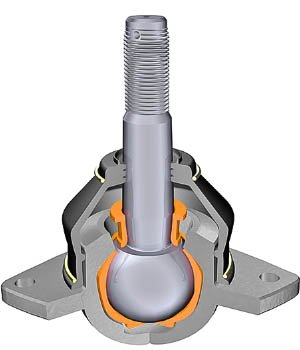
How Suspension Noise Signals Bad Ball Joint Symptoms
While driving, especially on uneven roads, you may notice various noises coming from the suspension. One of the key signals of a potential ball joint problem is a characteristic knocking or clunking sound that gets louder over potholes or bumps. This can point to worn or damaged ball joints, which play an important role in keeping your car stable and controllable. It's worth paying attention to signs like:
Knocking when turning or driving over uneven road surfaces — can indicate worn ball joints.
Reduced steering precision — if the steering feels lighter or vague, this can be a sign of a problem.
Unusual tire wear — uneven wear can result from the suspension, including the ball joints, not working correctly.
For an accurate diagnosis of ball joint condition, it's best to consult a professional. They can carry out a full suspension inspection and determine whether the ball joints need replacing. Ignoring these warning signs can lead to serious consequences, including reduced driving safety and higher repair costs. That's why it's important not to delay a visit to a service center once the first signs of ball joint wear appear.
Extending Ball Joint Service Life With a Quality Boot
A damaged boot is one of the most common causes of ball joint failure. Once the boot tears, grease starts leaking out, which inevitably lets dirt and moisture into the joint. This, in turn, accelerates wear and corrosion, significantly shortening the ball joint's service life and generally reducing driving safety. Protecting ball joints from these harmful factors is a key part of keeping your car's suspension durable.
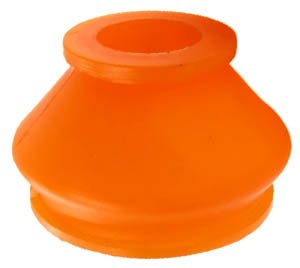
Choosing quality boots helps avoid these problems, providing reliable protection and extending the ball joint's service life.
Using boots made from high-quality polyurethane can significantly extend the life of these important parts, providing reliable protection against dust, dirt, and moisture. Thanks to its unique properties, polyurethane lasts 4-5 times longer than standard materials, delivering optimal performance and protection for ball joints.
How to Check Ball Joints: Effective Diagnostic Methods
Diagnosing ball joint condition is a key part of keeping your car safe and reliable. A visual inspection and checking for play are the two main methods for spotting wear or damage. During a visual inspection, check the condition of the protective boots for cracks or grease leaks. Checking for play requires lifting the car and applying force to the wheel in different directions to detect any unwanted movement in the ball joint.
This highlights the importance of combining both methods for the most accurate diagnosis of ball joint condition. Relying on just one method may miss potential problems, especially in cars with heavy wear or design features that make a visual inspection harder.
Ball Joint Lifespan: How Long Do They Last and When to Replace
Ball joint lifespan can vary significantly depending on driving conditions, road quality, and how intensively the car is used. A lot depends on the manufacturer and operating conditions — lifespan can range from 20,000-30,000 km to 100,000-120,000 km, though this doesn't mean a ball joint can't fail earlier under extreme driving conditions.
Among the main signs that ball joints need replacing are unusual noises, such as knocking or squeaking when turning the wheel or driving over bumps. Increased steering play and worsened handling are also important indicators. These symptoms can point to worn ball joints, which raise the risk of accidents on the road. That's why regular diagnostics and timely replacement of these important suspension components shouldn't be ignored.
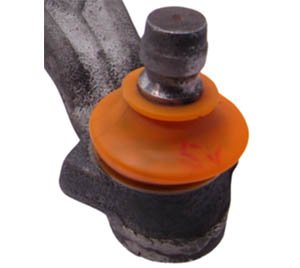
How to Check for a Worn Ball Joint at Home
Checking ball joints at home doesn't require special equipment, but it does call for care and attention to safety. One effective method is a visual inspection combined with checking for play. Lift the car with a jack, secure it on sturdy jack stands, and try moving the wheel in different directions. Any free play or looseness can indicate a worn ball joint. Also check the condition of the protective boots — damage there can lead to rapid wear from moisture and dirt getting in. It's worth noting that regular inspection and timely ball joint replacement can significantly extend the life of other suspension components and keep your car safe to drive. If you're still unsure, it's best to have a professional run a detailed diagnosis.
Get a Consultation on Choosing Parts:
VIBER

TELEGRAM