



Squeaky Suspension? Why Bushings Squeak and How to Fix It
A squeaky suspension often starts with something small — a single worn bushing — but it can quickly turn into a real source of discomfort, and eventually a more serious repair. If you're not familiar with what this part actually does, our guide on what a bushing is and how it works is a good place to start. In this article, we'll look at the main factors behind unpleasant suspension noises and how to properly diagnose the issue. We'll also cover how changing weather and temperature affect how quickly these parts wear out, and what you can do to extend their service life. You'll get practical tips on effective maintenance and repair, plus a clear sense of when it's time to replace your bushings to keep your car safe and comfortable on the road.
What Causes a Squeaky Suspension?
A squeak from bushings can become a real headache for drivers — it's not just uncomfortable, it can also signal more serious problems. The main causes of squeaking are wear and aging of the material, improper use or installation of the parts, and the effect of external factors. Let's take a closer look:
Natural wear of the material - over time, the rubber or polyurethane used to make bushings loses its elasticity, which leads to cracking and squeaking while driving.
Improper use - aggressive driving, frequently overloading the car, or driving on bad roads can speed up bushing wear.
External factors - water, salt, and the chemicals used to treat roads in winter can get into bushings and contribute to their breakdown and squeaking.
Dirt that gets packed into the bushing's components (if it isn't a one-piece design) can also cause unpleasant noises — it's the first thing worth clearing out.
Why Do New Bushings Squeak?
New bushings can squeak for a few different reasons — here's what's usually behind it and how to fix each one:
1. Low-quality part: A common cause of squeaking in new bushings is simply a low-quality part. The market is full of cheap substitutes that can look similar to original parts but perform far worse. It's worth remembering that "saving" on cheap parts can end up costing double down the road. That's why it's best to choose products from known, trusted manufacturers, even if they cost more. When choosing a part, also check whether the manufacturer offers a warranty — that's often a sign of quality and reliability.
2. Size mismatch: Another common problem is when a new bushing's dimensions don't match those of the original part. It's important to check part dimensions before installation. If the sizes don't match what's needed, installing that part can lead to squeaking or other suspension problems.
3. Poorly cleaned seating surface: Preparing the seating surface before press-fitting is critical. A poor cleaning job can leave uneven surfaces, which causes extra friction and, as a result, unpleasant noise and extra vibration during use. That's why the seating surface needs to be cleaned carefully and thoroughly.
4. Poor installation: Improper installation is another frequent cause of friction. It's important to pay attention to every detail of the install, such as the position of the center sleeve, the alignment of the cutouts, and the press-fit angle. Poor installation can not only cause squeaking but also shorten the part's service life.
5. Grease during press-fitting: It's important to lubricate the seating surface following the manufacturer's recommendations. Using the wrong grease, or not enough of it, can cause extra friction and lead to unwanted noise.
6. Incorrect bolt torque: Incorrectly tightened mounting bolts can cause squeaking while driving, most often showing up on rough surfaces. Bolts need to be tightened according to the load on the car, since incorrect torque can throw off how the car's suspension works.
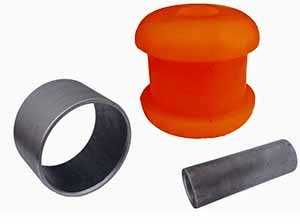
7. Wrong design: Various noises in a car can also come from parts whose design differs from the original. If a part is meant to be a one-piece unit — where the material between the metal sleeves is molded in as a single piece, inside and out — swapping it for a multi-piece "kit" version can bring the same issues.
Fixing a squeak isn't just about addressing these individual issues — it also means keeping up with regular maintenance and checking the condition of your suspension. Turning to experienced professionals helps ensure the right parts are chosen and correctly installed, keeping your car comfortable and safe to drive.
How to Spot Worn Bushing Symptoms
Assessing the condition of your bushings means paying attention to how the car behaves on the road. The main symptoms of worn or damaged bushings are unusual noises, such as clunks or squeaks, especially over bumps or while turning. Other signs include reduced handling and stability, and faster or uneven tire wear. The upside of catching this early is avoiding further damage to the suspension and other components, while the downside is that regular checks are needed, which can mean extra cost. For the full checklist, see our guide to the 7 signs of worn bushings.
For an accurate assessment, it's best to have professionals check your bushings. They use specialized equipment that can catch even the smallest deviations from normal. The check may involve a visual inspection, a test on a suspension stand, or specialized diagnostic tools. Professional diagnostics let you pinpoint exactly how worn a part is and whether it needs replacing, which can ultimately save money on repairs. That said, keep in mind that specialized service costs more than checking it yourself, and a DIY check isn't always as effective. If you're not sure whether age or mileage alone is the culprit, our article on how long bushings typically last is a useful starting point before assuming the worst.
How to Find Which Bushing Is Squeaking Yourself
DIY bushing squeak diagnosis: Car owners often wonder how to figure out on their own which bushing is squeaking, without a trip to the shop. This is possible by following a few simple steps.
1. Rock the car: Park the car on a flat surface — ideally over an inspection pit. Start rocking the car and watch how the suspension responds. This will help you narrow down which part of the car the squeak is coming from.
2. Lubricate the bushings one by one: One way to track down the source of the squeak is to lubricate the bushings one at a time with something like WD-40 or a similar product. Start with one bushing, lubricate it, and check whether the squeak is gone. If not, move on to the next one. Keep in mind the differences between each type — sway bar bushings, rubber bushings, and polyurethane bushings.
3. Pin down the source: After lubricating each bushing, listen closely for any change in the sound. Once the squeak disappears or fades, you'll know which part needs attention. It might not only be the sway bar bushings or bushings themselves, but other suspension parts that interact with them.
4. Decide on next steps: Once you've found the problem bushing, you can decide whether to fix it yourself or bring in a professional. If you decide to replace it, remember how important it is to choose a quality part from a trusted manufacturer.
How Weather Affects Bushing Performance and Wear
Changes in temperature and humidity have a significant effect on how elastic and durable bushings are. In cold weather, the material bushings are made from can stiffen up, which reduces their damping properties and raises the risk of squeaking. That's why it's important to check your bushings regularly, especially after winter, when they're under the most strain from low temperatures.
Summer heat brings its own challenges. High temperatures can dry out rubber components and cause cracking, which reduces their effectiveness and can speed up wear. Using protective sprays and lubricants can help slow down material aging and extend service life. Regular inspection and maintenance will help you avoid unpleasant surprises on the road.
Moisture and the salt-based treatments used on winter roads can speed up corrosion on the metal parts of your bushings. Regularly washing your car, especially the underside, helps reduce the effect of corrosive agents. It's also worth using anti-corrosion treatments, which can significantly extend the life of these important suspension components.
Maintenance Tips to Prevent a Squeaky Suspension
Regular inspection and timely replacement are key to keeping your car's suspension running quietly. Check your bushings for wear and damage at every service, and after driving on particularly rough roads. It's also important to make sure bushings are installed correctly, since poor installation can lead to premature wear. Avoid low-quality substitutes, which can have the wrong dimensions or characteristics and cause extra problems. Consulting professionals and using quality parts will keep your bushings reliable and long-lasting. And before replacing a part, measure the seating assembly and compare it against the new part's dimensions to confirm they match — only then go ahead with the install.
How to Stop Bushings From Squeaking
Depending on what's causing the problem, here's how you can fix it:
1. Apply lubricant: If the squeak is caused by excess friction between parts of the assembly, or between the bushing and other suspension components, applying a specialized grease can help. Using a quality lubricant recommended by the manufacturer can significantly cut the risk of noise.
2. Tighten the bolts: First jack up the car and loosen the clamp, then check and re-torque the bolts under load. Pay attention to the vehicle manufacturer's specified torque values.
3. Clean out dirt: Dirt, dust, and other debris that get into suspension components can cause squeaking. Cleaning them out can help eliminate the noise, and using a dedicated cleaning solution will give a more thorough result.
4. Replace the damaged or worn part: If the squeak is caused by serious wear or damage, replacement is the only effective fix. It's important to choose a quality part that matches your car's specifications and to install it according to the manufacturer's requirements.

What to Lubricate Bushings With to Stop the Squeak
Getting rid of unwanted noise doesn't just depend on identifying the cause, but also on choosing the right product to fix it. Keep in mind that the choice of grease depends on the type of bushing, its material (rubber or polyurethane), and the specifications set by the manufacturer.
Lubricant options:
Lithium-based grease: A common choice for lubricating the metal parts of an assembly. Lithium grease is effective against friction and wear, providing long-lasting protection.
Calcium-based grease (solidol): Often used where extra protection from moisture and corrosion is needed. This is especially relevant for cars driven in humid conditions or on roads treated with de-icing chemicals.
Graphite grease: Graphite-based products provide good lubrication and reduce friction, especially under heavy loads. Graphite grease is well suited to metal components and can work well for bushings too.
WD-40: This all-purpose product can work as a temporary fix for squeaking. It's effective for penetrating hard-to-reach spots and freeing up stuck parts, but it isn't always the best solution for long-term protection.
Before using any lubricant, it's important to check the manufacturer's recommendations and consult a professional. For polyurethane bushings, for example, specific greases may be recommended that won't damage the material. Ignoring these recommendations can lead to premature wear or damage to the parts.
So while many drivers assume squeaking comes down to the material — rubber versus polyurethane — in practice the causes are usually rooted elsewhere. It's not only the material, but also driving conditions, driving style, installation quality, and even external factors like built-up dirt, dust and moisture that lead to squeaking. Polyurethane bushings and rubber ones can both run squeak-free if you keep up with proper care and driving conditions.
