



Why Do Sway Bar Bushings Squeak? Causes and Fixes
Drivers often run into an annoying squeak in their car's suspension. One solution is to replace the standard rubber sway bar bushings with polyurethane sway bar bushings. Polyurethane bushings resist wear better and don't squeak the way rubber ones do, keeping the ride quiet and comfortable.
There's nothing worse than an annoying squeak breaking the quiet of your drive, experienced mechanics say. That's especially true for sway bar bushings, a key part of your car's suspension. Over time they wear down and start making unpleasant noises, but modern materials offer a solution — polyurethane bushings, which can significantly reduce or even eliminate sway bar bushing noise.
Why Do Polyurethane Sway Bar Bushings Squeak?
In general, suspension noise can be caused by several factors, the most common being wear and aging of components. Often the squeak comes from the interaction between the bushing and the sway bar, where a poor fit or worn material can produce an unpleasant sound. Other causes include:
- Incorrectly matched bushings that don't account for wear on the sway bar itself.
- Missing lubrication between the sway bar and the bushing, which causes friction and squeaking.
- Damaged rubber bushings, or ones that have lost elasticity, which accelerates wear and creates noise.
- Damage or corrosion on the metal parts of the sway bar, which can cause squeaking while driving.
As for polyurethane parts specifically, this is a question that interests a lot of people — especially the "skeptics" of this material — so let's take a closer look. It's important to understand that polyurethane, by itself, is just a material (like rubber) and doesn't directly cause squeaking. It's also worth understanding that polyurethane bushings don't "eat away" at the sway bar — otherwise every sway bar paired with rubber bushings would show no wear at all. Still, if you look closely, sway bars with visible wear are a frequent reason for service visits. Rubber parts are made to the diameter specs of a brand-new sway bar only. When an owner comes in to buy replacement bushings, wear on the sway bar itself is often not factored in, which is what leads to dissatisfaction down the line.
Sway bar bushing noise is usually caused by dirt getting trapped between the bushing and the sway bar (and here it makes no difference at all whether the bushing is rubber or polyurethane — it's the DIRT grinding between the bushing and the bar that squeaks). This dirt can get in either during installation or over the course of everyday driving. If brand-new bushings are squeaking, the problem is most likely an incorrect fit — wear on the sway bar wasn't accounted for when the bushings were chosen.
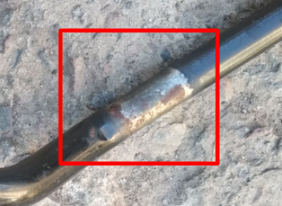
When you start hearing a squeak in the front suspension, it's important not to ignore it. Pinpointing the exact cause may require a specialist's diagnosis, but there are a few checks you can do yourself. Here are some steps that can help identify the problem:
- Check the sway bar bushings for visible damage or wear.
- Inspect the sway bar mounting points for looseness or corrosion.
- Check other suspension components, such as shocks and springs, for wear or damage.
You can get rid of the annoying noise by repairing or replacing the damaged parts.
Tips to Avoid Squeaks and Clunks When Replacing Parts
- Choose the Right Sway Bar Bushings: It's important to select bushings that match your car's VIN.
- Account for Sway Bar Wear: If your sway bar shows signs of wear, let the shop know so they can factor it into the bushing's inner diameter.
- Bushing Size: The bushing's inner diameter should be about 1 mm smaller than the sway bar's diameter for a tight, secure grip.
- Clean the Installation Area: Before installing a bushing, thoroughly clean the area of dirt and other debris.
- Use Sway Bar Bushing Grease: Apply a dedicated grease to the bushing to keep dirt and moisture out from between the bushing and the sway bar, and to make installation easier (check with the parts manufacturer on which type of grease to use — for PolyBush parts, lithium- or calcium-based greases are fine, but graphite-based grease is not recommended).
Keeping these points in mind can significantly reduce the risk of squeaky polyurethane sway bar bushings, keeping your ride comfortable and safe.
Polyurethane or Rubber Sway Bar Bushings: Which Is Better for Your Suspension?
Choosing between polyurethane and rubber sway bar bushings depends on several factors, including expected bushing lifespan, ride comfort, suspension noise insulation, and the effect on handling. Here are a few key points to consider when replacing your bushings:
- Polyurethane bushings offer greater wear resistance and stability, which can improve handling.
- Rubber bushings are easier to find and cheaper, but they don't account for sway bar aging and wear as well.
- When choosing bushings, it's important to weigh your car's operating conditions and how it's driven.
- Polyurethane can be the better choice if you want durability and less frequent maintenance, while rubber can be ideal if you prefer a cheaper, more widely available option.
- It's also worth comparing the materials — polyurethane versus rubber — in terms of cost and replacement availability.
Weighing these factors will help you make an informed choice that fits your needs and keeps your suspension running the way it should.
Get a Consultation on Choosing Parts:
VIBER

TELEGRAM

Frequently Asked Questions:
Why Is Timely Sway Bar Bushing Replacement Important?
Worn bushings can increase play in the suspension and reduce your car's stability, especially through turns or over bumps. They can also accelerate wear on other suspension components, leading to a more expensive repair down the road. For a broader look at how worn bushings affect the whole suspension, see our guide on what a sway bar bushing is.
What Are the Signs a Sway Bar Bushing Needs Replacing?
Signs that your sway bar bushings may need replacing include squeaking and other unusual sounds while driving, especially over bumps or at higher speeds. You should also watch for a feeling of instability in the car and worse handling. A visual inspection may reveal cracks, splitting, or other visible damage to the bushings. It's worth noting that similar noises can also come from the sway bar links rather than the bushings themselves — see our article on what a sway bar link is to tell the two apart.
How Does Grease Prevent Suspension Squeaks?
It's important to understand that grease needs to be applied at the time of installation, to keep dirt out and ensure a "clean install" of the part. Using a quality sway bar bushing grease helps reduce friction between moving suspension parts, including sway bar bushings, which is one of the main causes of squeaking.
Why Might Polyurethane Bushings Be a Better Choice Than Rubber?
Polyurethane bushings generally offer greater wear resistance and stability compared to rubber ones, making them a better choice for high-load driving and extreme temperatures. They're also less prone to deformation and aging, which can reduce how often they need replacing and keep the suspension working more precisely. And most importantly, they come in a wider range of inner diameters, so you can match a bushing to your sway bar's exact diameter.
