



What Is a Sway Bar Bushing? Types, Function & Signs of Wear
Table of Contents
- What Is a Sway Bar Bushing?
- What Does a Sway Bar Bushing Do?
- Types of Sway Bar Bushings
- Signs of Bad Sway Bar Bushings
- Frequently Asked Questions About Sway Bar Bushings
A car is more than just a means of transport — it's a complex mechanism where every part matters for safety and comfort. Understanding what sway bar bushings do, their types, and how to spot wear helps drivers keep their vehicle in proper condition. Choosing the right sway bar bushing can also significantly extend suspension life and reduce repair costs.
What Is a Sway Bar Bushing?
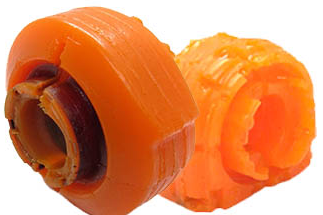
One of the key suspension components is the sway bar (anti-roll bar), which reduces body roll in corners and improves vehicle stability. Sway bar bushings are mounting elements that provide a secure connection between the sway bar and other suspension parts, while also absorbing vibrations and shocks. They mount directly on the sway bar itself and, typically, to the body — for a broader look at how this type of part works across the whole suspension, see our guide on what a bushing is. Sway bar bushings shouldn't be confused with the sway bar link, a separate part that connects the sway bar to the suspension arm.
Over time, sway bar bushings can wear out or become damaged, reducing suspension performance and handling. Signs of wear typically include knocking or squeaking noises over bumps. That's why regular inspection and timely replacement of sway bar bushings are essential for keeping the suspension in good condition.
In short, sway bar bushings are an integral part of the suspension system that affects both safety and driving comfort. It's important to keep an eye on their condition and follow the manufacturer's maintenance and replacement recommendations. Catching and fixing sway bar bushing problems early helps you avoid more serious suspension issues and keep full control of the car in any road conditions.
What Does a Sway Bar Bushing Do?
The sway bar bushing plays a key role in the vehicle's suspension system, helping to keep the ride stable and comfortable. Its main functions include:
Reducing body lean in corners, which improves driving safety.
Keeping the wheels in the optimal position relative to the road, so the suspension works efficiently.
Reducing wear on tires and other suspension components through even load distribution.
Absorbing and dampening vibrations and shocks from bumps in the road.
Types of Sway Bar Bushings
The auto parts market offers a wide range of sway bar bushings, classified by material, size, and vehicle type. They're traditionally made from rubber or polyurethane. Rubber bushings offer a high level of comfort thanks to their elasticity but have a shorter service life. Polyurethane bushings, by contrast, are stronger and more durable, giving better control of the car on the road.
When choosing sway bar bushings, it's important to check their compatibility with your car's make and model as well as your driving conditions. Manufacturers offer bushings designed specifically for certain makes and models, which guarantees a perfect fit and efficient performance. Sizes can vary between bushings, so before buying, carefully measure the sway bar's diameter and the bushing's inner size.
When choosing, make sure the bushing's inner hole is about 1-2 mm smaller than the sway bar's diameter at the mounting point — a mismatch here is the main cause of knocking and squeaking in the suspension. Also check the sway bar itself for wear grooves, which can mean it either needs replacing or that the new bushing needs to be matched to that wear pattern — this directly affects how long you'll go before your next trip to the shop.
It's important to select parts by the car's VIN, since molded rubber or polyurethane bushings differ in shape and elasticity from one model to another. Experts recommend inspecting sway bar bushings every 20,000-40,000 km. Regular maintenance and timely replacement help you avoid unexpected trouble on the road and extend the life of other suspension components. Using quality parts is key to safety and driving comfort.
Signs of Bad Sway Bar Bushings
While driving, you may notice several signs pointing to worn sway bar bushings. One of the most obvious signs is knocking or humming noises over bumps or while cornering — see our dedicated guide on why sway bar bushings squeak for the full breakdown of causes. This can mean the bushings have lost their original stiffness and no longer hold the sway bar securely connected to the rest of the suspension.
Another key indicator of wear is a change in how the car handles. Instability at high speed, worse handling, and more body roll in corners can all point to problems with the sway bar bushings. These changes call for a careful check of the suspension, and the sway bar components in particular.
To check the condition of sway bar bushings, you can use a lift inspection. Look for play (looseness) or visible damage in the bushings. Regular inspections help catch problems early and prevent more serious damage to the suspension and other components.
Frequently Asked Questions About Sway Bar Bushings:
Can you drive without sway bar bushings? Driving without sway bar bushings isn't recommended — they're an important suspension part that helps reduce noise and vibration, especially over potholes and rough pavement. Without them, the sway bar can lose its effectiveness, which affects vehicle stability and safety.
Can you drive with broken sway bar bushings? Driving with broken sway bar bushings can lead to more noise, more vibration, and less control over the car, especially in corners and over bumps. It can also put extra strain on other suspension and vehicle components.
Why is it important to replace sway bar bushings? Replacing sway bar bushings matters because worn bushings lose their cushioning properties, which leads to more noise, vibration transferred into the body, and, as a result, reduced stability and safety. Replacing bushings on schedule helps keep the suspension working properly and avoids unpredictable extra costs.
This article's content may be used under the Creative Commons Attribution-ShareAlike license.
