



Driveshaft Coupling: Purpose, How It Works, and Signs of Failure
What Is a Driveshaft Coupling and Why Does Your Car Need One?
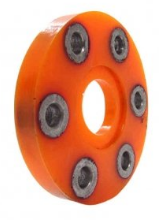
The driveshaft coupling (also known as a flex disc) transmits torque from the engine to the drive wheels, allowing the vehicle to move. It also plays a key role in compensating for the angular and linear misalignment between shafts that inevitably occurs as the suspension moves. Experts point out that a properly matched, sound driveshaft coupling significantly improves ride comfort and driving safety, while also reducing wear on other drivetrain components. That's why it's important to inspect this part regularly and replace it when necessary.
FIND A DRIVESHAFT COUPLING ON THE SITE
Where Is the Driveshaft Coupling Located?
The location of the driveshaft coupling depends on the vehicle's design and drivetrain layout. In most rear-wheel-drive and all-wheel-drive cars, it sits between the front and rear driveshaft sections, transmitting torque from the transmission to the drive wheels. It's worth noting that the coupling plays a key role in providing flexibility and compensating for changes in shaft length as suspension angles and ride height change, which is critical for keeping the drivetrain running smoothly and without interruption.
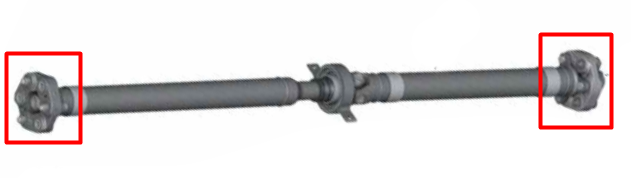
Ultimately, correct placement and proper function of the driveshaft coupling are critical to the vehicle's efficiency and reliability. It not only ensures effective power transfer between drivetrain components, but also reduces wear, extending the service life of the entire drive system. It works alongside other driveline parts that also need regular checks, such as the CV joints on the wheel side and the driveshaft center support bearing further up the line. That's why regular inspection and maintenance of this important part are key to your car's durability and safety.
When Should You Replace a Worn Driveshaft Coupling? (Signs of a Bad Flex Disc)
You can tell it's time to replace the flexible driveshaft coupling by watching for a number of characteristic warning signs. Catching and replacing this part early helps prevent bigger breakdowns and keeps the vehicle running smoothly. Watch out for the following:
Vibration while driving, especially at higher speeds, can indicate a worn driveshaft coupling.
Unusual noise or knocking around the driveshaft is also a sign of a fault.
Difficulty shifting gears, caused by the coupling losing its elasticity, points to wear.
A visual inspection may reveal cracks, tears, or other damage on the surface of the coupling.
How to Tell If Your Driveshaft Coupling Is Failing
One of the first signs of a failing driveshaft coupling is vibration and noise while driving. These symptoms point to wear or damage in the coupling's components, which can reduce how efficiently torque is transmitted and, as a result, worsen the car's handling and driving dynamics.
The condition of the flexible coupling should be checked regularly. Wear in the rubber or polyurethane elements that form the core of the coupling — the same kind of materials used in suspension bushings — can lead to it deforming and eventually failing. This, in turn, increases the risk of a dangerous situation on the road caused by loss of vehicle control.
It's important not only to catch the warning signs in time, but also to replace the coupling as soon as the first symptoms of wear appear. This helps you avoid more serious breakdowns down the road and keeps the driver and passengers safe. In short, regular inspection and timely maintenance are key to keeping your car in good working order.
What Happens If the Driveshaft Coupling Breaks?
Damage to or failure of the flexible driveshaft coupling can have serious consequences for the entire drivetrain. The flexible coupling (sometimes called a guibo, especially on BMWs) performs an important job of absorbing and dampening vibration and shock loads between the engine and transmission, keeping everything running smoothly and steadily. If it fails, all that load is transferred directly onto the driveshaft and other system components, which can cause them to wear out prematurely or break. One example is a BMW X5, where a torn coupling caused damage to the driveshaft and an expensive repair down the line.
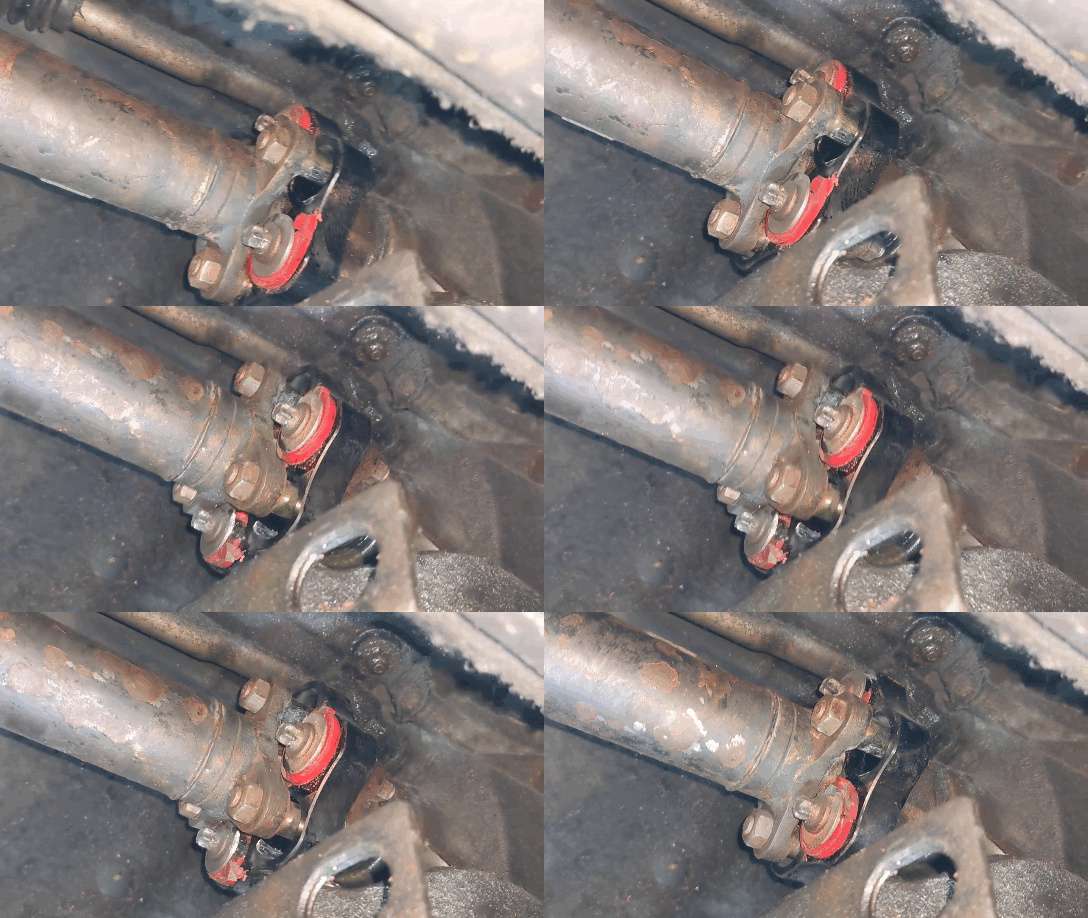
Besides the mechanical damage, a non-functioning flexible coupling significantly reduces driving comfort. Drivers may notice increased vibration and noise, especially at higher speeds. This isn't just uncomfortable for passengers — it also raises the risk of fatigue cracks forming in body and chassis components. A study on a Ford Focus found that replacing a worn flexible coupling with a new one noticeably improved the overall condition of the transmission and reduced cabin noise, confirming just how important timely diagnosis and maintenance of this part really is.
Get a Free Parts Consultation:
VIBER

TELEGRAM