



What Is a CV Joint: Description, Purpose, and Key Signs of Failure
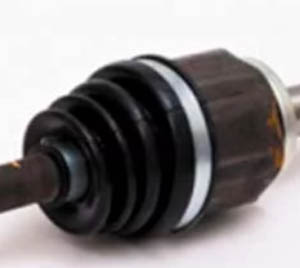
What Is a CV Joint and What Does It Do?
In modern cars, the CV joint (constant velocity joint) plays a key role in comfortable and safe driving. A CV joint transmits rotational torque from the engine to the wheels while allowing the wheels to change steering angle and move vertically as they travel over bumps.
How a CV Joint Affects Handling and Ride Comfort
A CV joint's effect on handling is significant, since it is what transmits rotational torque from the engine to the wheels. A properly working CV joint guarantees smooth, precise steering response, which matters most at high speed or on difficult sections of road. A failure in this part can lead to a loss of control over the vehicle, which is a serious safety risk.
Ride comfort is closely tied to the condition of the CV joint. Noise, vibration, and other unpleasant sensations felt while driving are often the result of wear or damage to this part. Timely maintenance and replacement of the CV joint helps avoid these issues and keeps the ride quiet and comfortable.
Beyond its direct effect on handling and comfort, the CV joint plays a key role in the longevity of other suspension components. Improper operation or wear of this part can put extra strain on ball joints, sway bar links, bushings, and other components, causing them to wear out prematurely. That's why keeping an eye on CV joint condition is an important part of car maintenance.
CV Joint Symptoms: Signs of Wear and When to Replace It
A worn CV joint can be recognized by several telltale symptoms. The most obvious sign is a distinct clicking or clunking noise when turning the steering wheel, especially at low speeds or when reversing. A worn CV joint can also cause vibration that's felt inside the cabin, especially under acceleration. Experts recommend not ignoring this CV joint noise, since catching and replacing a worn joint in time can prevent more serious damage to the drivetrain.
Checking a CV joint's condition should include inspecting the CV joint boot for damage or grease leaks. A torn CV joint boot lets dirt and moisture into the joint, which speeds up wear significantly. It's also worth checking how much grease is left and its condition, since insufficient lubrication can cause overheating and wear of the CV joint's parts. Specialists emphasize the need for regular inspection of these components to keep the car running reliably and avoid costly repairs.
How Long Do CV Joints Last?
How long a CV joint lasts depends heavily on the car's operating conditions and parts quality. Compared with other suspension components, CV joints may need replacing more often due to the high loads placed on them during turns and aggressive driving. Road quality, driving style, and how regularly the car is serviced all directly affect their lifespan. Paying close attention to CV joint condition and replacing worn parts in time is critical for keeping your car safe and reliable. It's also worth factoring in the condition of the suspension and steering system as a whole when deciding whether a CV joint needs replacing, to avoid unnecessary expense and keep the car running smoothly.
CV Joint Maintenance and Replacement Tips
Proper maintenance and timely replacement of the CV joint are key to keeping your car reliable and safe. Regularly inspecting these components lets you catch potential problems early and avoid costly repairs down the road. Here are a few recommendations:
Check the CV joint's condition at every scheduled service.
Pay attention to any unusual noise or vibration that could point to wear in these components.
Don't ignore the manufacturer's recommended CV joint replacement intervals.
Replacing a CV joint can be a demanding job, but following the correct procedure and using quality parts can significantly extend your car's service life. It's important to choose components that match your car's specifications and, where possible, get help from professionals. Keep in mind that:
Using quality parts ensures durability and reliability.
Professional installation guarantees the components are fitted and adjusted correctly.
Timely replacement prevents serious damage to other parts of the suspension and steering system.

It's also worth noting that CV joint boot quality is critical to the durability and reliability of this important suspension part. The boot protects the joint from dust, dirt, and moisture that can cause premature wear and damage.
A polyurethane CV joint boot offers significant advantages over traditional materials, thanks to its higher strength, tear resistance, and ability to withstand extreme temperature swings. This not only lowers the risk of a sudden CV joint failure, but also helps keep the car running at its best, delivering a smooth ride and precise steering. Choosing a quality polyurethane CV joint boot is therefore essential for getting the best performance and safety from your car over the long run.
How to Choose the Right CV Joint for Your Car
When choosing these components, pay attention to build quality and compatibility with your car. Using high-quality parts can significantly lower the risk of premature wear and failure, ultimately saving you money on repairs and maintenance.
Choosing the right CV joint also means understanding how it fits into the drivetrain alongside components like the driveshaft and driveshaft coupling, which have their own wear patterns and maintenance needs worth knowing about. For optimal drivetrain and suspension performance, it's important to have your CV joints diagnosed regularly.
Get Expert Advice on Choosing the Right Parts:
VIBER

TELEGRAM