



Spring Spacers: Purpose, Types, and Benefits of Installation
Every car enthusiast wants their ride to look great and handle even better. In this article, we'll cover what spring spacers actually do, how they affect a car's handling, and how to choose between spring spacers and reinforced springs, along with the consequences of installing them and whether you really need them. We'll also look at using spacers of different thicknesses, so you can make an informed choice for your car's comfort and safety.
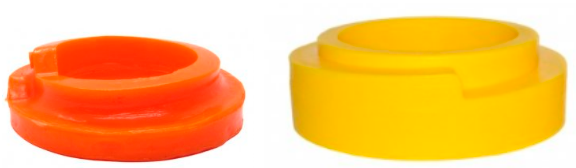
What Are Spring Spacers For?
Better handling and a more stable ride on the road - these are the main goals of installing spring spacers on the shock absorber. These parts let you change a vehicle's ride height, which is especially useful for drivers who want to adapt their car for rough road conditions or simply give it a more aggressive, sportier stance. Spacers also help distribute the load on the suspension more evenly, which reduces wear on components and extends their service life. Choosing the wrong material or size of spacer can lead to unwanted consequences, so it's essential to pay attention to product quality and make sure it matches your vehicle's specifications.
How Do Spring Spacers Affect Handling?
Installing spring spacers on the shock absorber has a significant effect on a car's handling. Adding these parts changes the suspension's stiffness, which directly affects how the car behaves on the road.
Increased suspension stiffness reduces body roll in corners and improves steering feedback, making the car more predictable during maneuvers. That said, too much stiffness can make the ride less comfortable on rough roads.
On the other hand, choosing the wrong spacers can hurt handling, reducing tire grip on the road surface and increasing tire wear. It's important to pick spacers that match your car's characteristics and expected driving conditions.
Experimenting with spacer height lets you find the right balance between handling and comfort, making the car more adaptable to different road conditions. Ultimately, correctly chosen spacers can significantly improve handling and driving safety.
Reinforced Springs or Spring Spacers: Which Is Better?
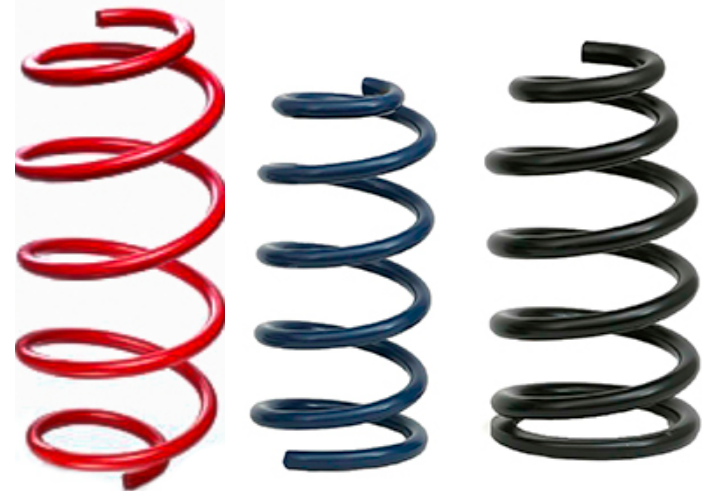
Choosing between reinforced springs and spring spacers on the shock absorber depends on several factors, including the goal of the modification, budget, and driving conditions. A real-world example: for off-road vehicles tackling serious terrain, reinforced springs can provide the extra stiffness and additional ground clearance needed. However, if the goal is just a small clearance increase to improve obstacle clearance in city driving, spacers can be a cheaper and easier-to-install solution. It's worth noting that, unlike reinforced springs, spacers don't change the damping characteristics - they only increase ground clearance, which can be critical for keeping the ride comfortable. So the choice should be based on your car's specific needs and driving conditions.
What Happens When You Install Spring Spacers?
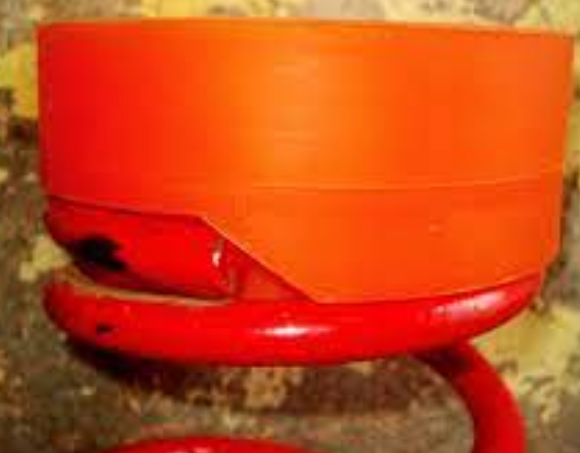
Installing spring spacers on the shock absorber affects your car's ride height, which in turn can significantly change its handling and ride comfort. Experts note that increased ground clearance helps with off-road driving and improves obstacle clearance, but it can also reduce high-speed stability and raise the risk of rollover during sharp maneuvers. Keep in mind that adding spacers requires additional suspension setup to maintain safety and comfort. Following professional recommendations and using quality components is key to a successful upgrade.
View Polyurethane Spring Spacers on Our Site
Do You Need Spring Spacers?
The question of whether to install spring spacers on the shock absorber often comes up for car owners looking to improve their vehicle's performance. Spacers let you change a car's ride height, which is especially useful in regions with poor roads or for off-road enthusiasts. They also help adjust wheel alignment angles, which can positively affect handling and stability while driving.
Choosing between different types of spacers should be based on the car owner's goals. For example, polyurethane spring spacers increase suspension stiffness and improve handling, while metal spacers are more often used for a larger increase in ground clearance. The table below compares the main characteristics of these two spacer types.
Spacer Type.... | Material.... | Pros.... | Cons.... |
Polyurethane.... | Polyurethane.... | Improved handling, increased suspension stiffness.... | Smaller clearance increase compared to metal.... |
Metal.... | Metal.... | Significant clearance increase.... | Can reduce ride comfort.... |
In short, deciding whether to install spring spacers means weighing a number of factors, including your car's driving conditions, personal handling and comfort preferences, and the vehicle's own technical specifics. Correctly chosen and installed spacers can significantly improve your car's characteristics, making it better suited to your specific use case.
Can You Install Spring Spacers of Different Thickness?
Using spring spacers on the shock absorber is a popular way to fine-tune a car's suspension setup. It lets you change ride height and improve handling and stability on the road. That said, when it comes to installing spacers of different thicknesses, there are a few key points to keep in mind:
Suspension symmetry - to keep the car properly balanced and avoid an uneven stance, it's recommended to install spacers of the same thickness on both sides of the vehicle.
Vehicle specifications - before installing spacers of different thicknesses, carefully review the manufacturer's recommendations and assess the possible risks to the suspension and handling.
While it's technically possible to install spacers of different thicknesses, this approach can lead to unwanted consequences, including worse handling and faster wear on suspension components. Remember that the goal of a suspension modification is to improve your car's performance, not create new problems. So before deciding to install spacers of different thicknesses, it's best to consult with professionals and carefully weigh the pros and cons. Spring spacers are just one piece of a car's suspension system - to see how they work together with other components, check out our guides on what a bushing is, shock absorber bushings, and shock absorber mounts.
Get Expert Help Choosing the Right Parts:
VIBER

TELEGRAM