



Steering Rack: Function, How It Works, and Signs of Failure
A steering rack is a key component of a car's steering system that converts the rotation of the steering wheel into the directional movement of the wheels, ensuring precise and responsive handling. In this article, we'll cover the essentials of the steering rack: what it does, how it's mounted, its service life, signs of possible failure, the consequences of driving with a faulty rack, and recommendations on repair versus replacement. This information will help car owners better understand how to keep their vehicle safe and roadworthy, and what to do if steering rack problems arise.
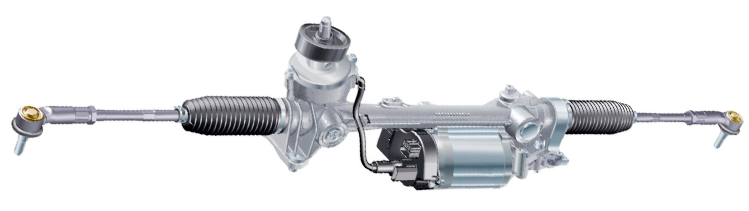
What Does a Steering Rack Do?
This component — also known as rack-and-pinion steering — doesn't just transmit force from the steering wheel to the wheels; it's what makes steering precise and predictable. Without a functioning steering rack, safe and comfortable driving is practically impossible, which highlights how critical it is to the vehicle's overall function.
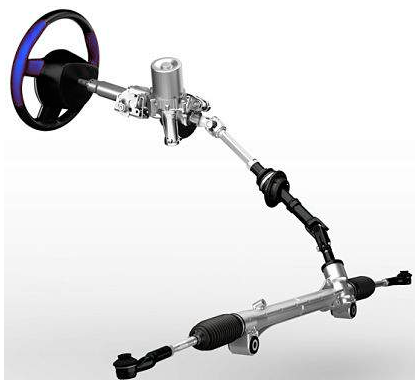
From a technical standpoint, the steering rack converts the rotational motion of the steering wheel into the linear motion needed to turn the wheels. This process demands high precision and reliability, since any malfunction can impair handling and, as a result, lead to accidents. Modern steering racks are equipped with mechanisms that adjust steering effort based on driving speed, striking an optimal balance between control and the force needed while maneuvering.
How Is a Steering Rack Mounted?
Mounting a steering rack requires precision and care, since driving safety depends on it. The rack is typically secured to the vehicle's chassis using dedicated mounting hardware — bushings, bolts, or nuts.
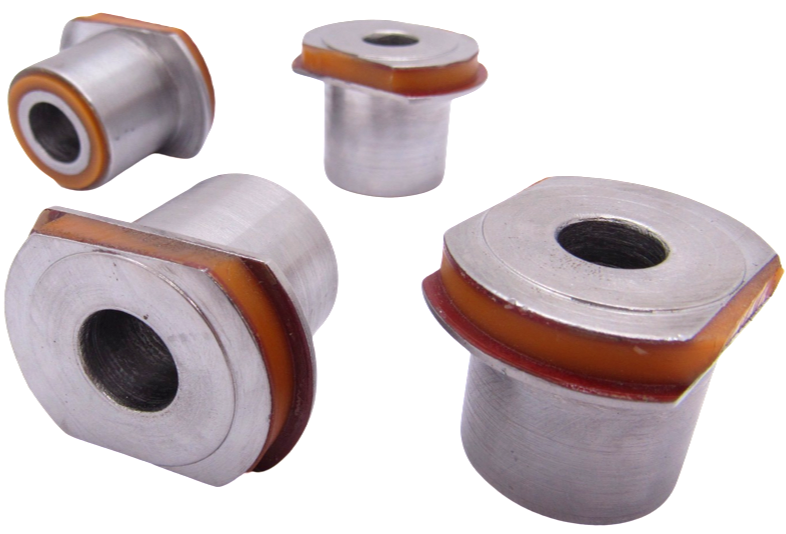
It's important to install and torque these fasteners correctly to avoid play in the steering rack, which can lead to unstable handling.
During installation, you also need to account for the type of steering rack — electric or hydraulic — since the mounting details differ between them. Electric racks may require additional mounts for their electronic components. It's also important to check the condition of the rubber mounting bushings, which reduce vibration and noise from the steering system. When they wear out, ride comfort suffers and surrounding parts wear faster.
After the mounts are installed, you need to carefully check that everything is secured correctly and free of play. This includes checking that all bolts and nuts are properly torqued, as well as checking the steering wheel for any free play. Improper mounting can not only reduce safety but also cause the steering rack and other steering components to wear out faster.
How Long Does a Steering Rack Last?
The service life of a steering rack depends on many factors, including driving conditions, road quality, and how regularly the vehicle is maintained. On average, a steering rack can last anywhere from 100,000 to 150,000 km (about 62,000 to 93,000 miles), though in some cases it can fail earlier due to intensive use or dirt and moisture getting into the mechanism.
To extend the service life of your steering rack, it's worth following a few simple rules:
Regularly check the power steering fluid level and the condition of the protective boots.
Avoid aggressive driving and frequent trips over poor road surfaces.
See a mechanic as soon as the first signs of a steering rack problem appear.
It's also worth remembering that quality repairs and quality replacement parts significantly improve the odds of a long-lasting steering rack. Don't skip regular diagnostic checks — they help catch potential problems early and prevent serious breakdowns.
Can You Drive With a Faulty Steering Rack?
Driving with a faulty steering rack is strongly discouraged, since it can lead to serious consequences, including loss of control over the vehicle.
A faulty steering rack significantly reduces driving safety, increasing the risk of an accident. For example, when turning the wheel, the car may respond inadequately or with a delay — especially dangerous at high speeds and in difficult road conditions. For clarity, here's a comparison table showing the difference in handling between a car with a healthy steering rack and one with a faulty steering rack.
Parameter.... | Healthy steering rack.... | Faulty steering rack |
Steering response accuracy.... | High.... | Low |
Driving safety level.... | High.... | Reduced |
Risk of an accident.... | Minimal.... | High |
As the table makes clear, ignoring steering rack problems can lead to critical consequences. That's why you should see a specialist for diagnosis and repair as soon as the first signs of trouble appear.
Bad Steering Rack Symptoms: How to Tell Something's Wrong
You can identify steering rack problems by a number of characteristic signs. Uneven tire wear, knocking or squeaking noises when turning the wheel, and increased steering effort when turning can all point to a possible malfunction.
The best way to prevent steering rack problems is regular diagnostics and timely maintenance. Using quality replacement parts and a professional approach to repairs can significantly extend the service life of your steering rack and keep the driver and passengers safe.
What Happens If the Steering Rack Fails?
A broken steering rack is a serious problem that needs immediate attention. Steering rack failure can cause you to lose control of the vehicle, which is especially dangerous at high speeds. It's important to know the main warning signs and consequences so you can get to a service center in time:
Increased steering play — the steering wheel becomes less responsive to your input.
Knocking and unusual noises when turning the wheel — a sign of worn or damaged steering rack components.
Power steering fluid leaks — can reduce the effectiveness of the steering system and increase steering effort.
Increased steering effort when turning — especially noticeable while parking or maneuvering at low speeds.
Ignoring these symptoms can lead to expensive repairs and, more importantly, put the driver's and passengers' lives at risk.
Steering Rack Repair or Replacement: Which Is Better?
The choice between repairing and replacing a steering rack depends on several factors, including the degree of wear, the cost of repair work, and the age of the vehicle. Repairing the steering rack can be a cost-effective solution for lower-mileage vehicles where the damage isn't severe. However, if the rack is badly worn or damaged, replacement may be the smarter choice, since it guarantees reliability and driving safety.
It's also worth keeping in mind that repair costs can sometimes approach the cost of a new steering rack, especially if specialized parts or complex work are required. In those cases, replacing the steering rack turns out to be the better option, ensuring long-term durability without further issues.
The steering rack doesn't work in isolation — it's part of the broader steering, suspension, and drivetrain system. If you notice unusual play, noise, or handling issues, it's worth also inspecting your ball joints and CV joints, since worn components there can produce very similar symptoms.
Get Expert Advice on Choosing the Right Parts:
VIBER

TELEGRAM