



Sway Bar: Function, How It Works, and Signs of Failure
It's hard to overstate the role a sway bar plays in how confident and safe a car feels behind the wheel. This is the unsung hero that keeps body roll in check through corners and sharpens overall handling. In this article, we'll look at what a sway bar is, what it actually does inside a car's suspension, and how it's removed or serviced — so your car keeps delivering the reliability and comfort you expect on any road.
What Does a Sway Bar Look Like?
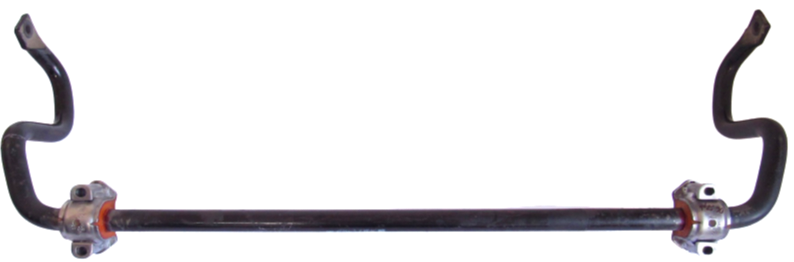

How Is a Sway Bar Mounted in a Car?
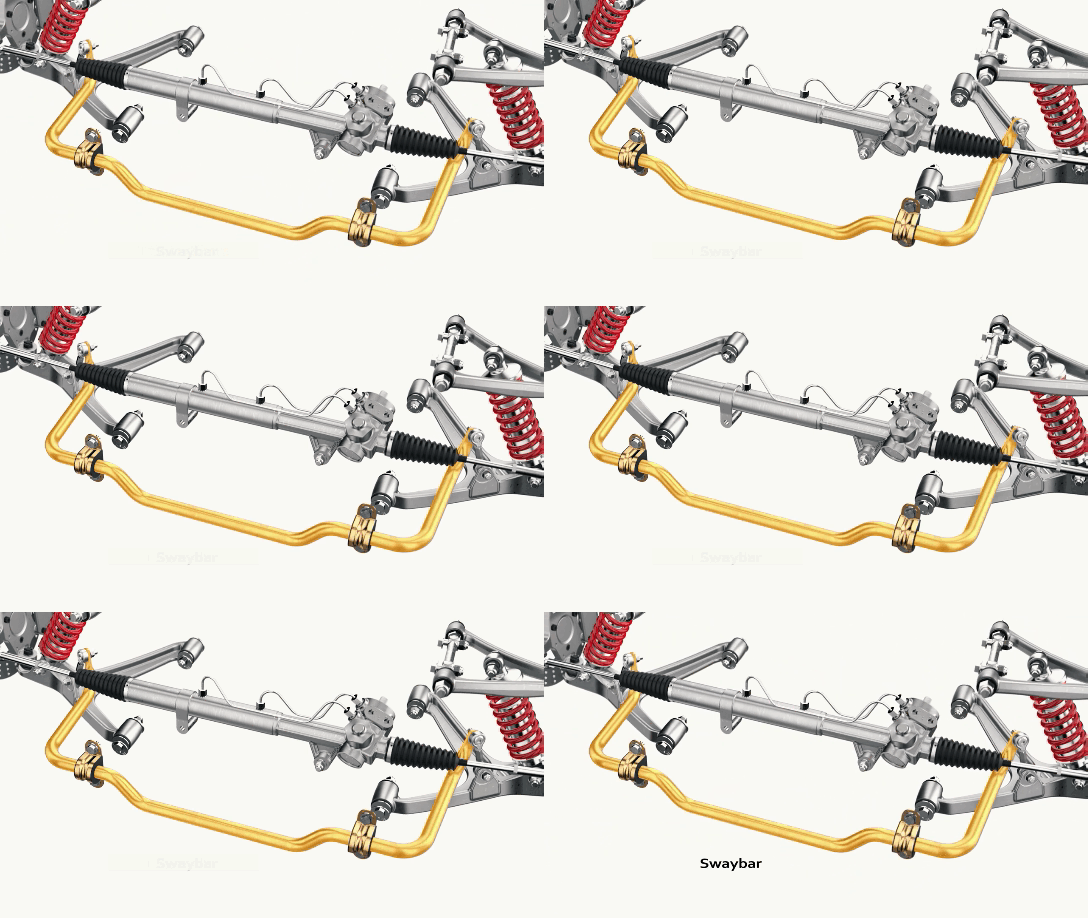
A sway bar is mounted horizontally between the left and right sides of the suspension and connects to the lower control arms through end links, which let that part of the suspension keep moving vertically. The ends of the sway bar are fitted with rubber or polyurethane bushings
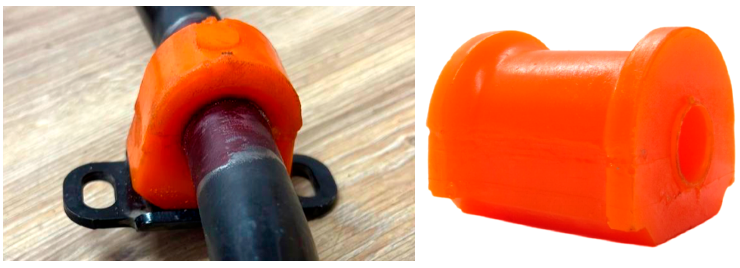
(which can be replaceable or welded onto the bar) and by end links, which transfer load from the body to the suspension. The sway bar itself is secured to the car's body with brackets and clamps that grip the bushings around its middle section, keeping it from shifting during driving. How effective a sway bar is depends on its stiffness and diameter, both of which are chosen based on the vehicle's characteristics and its operating conditions.
What Is the Function of a Sway Bar?
The importance of a sway bar in a car is hard to overstate. This suspension component plays a key role in keeping the ride safe and comfortable. A sway bar effectively cuts down body roll in corners, which matters especially for large, heavy vehicles. A study conducted by Toyota is a good example — it found that fitting an upgraded sway bar on their SUVs meaningfully improved handling and stability at speed.
A sway bar also helps reduce tire wear and improves braking effectiveness. This comes from spreading load more evenly between the wheels, which matters most when driving in tough road conditions. A Mercedes-Benz case study shows how rolling out advanced sway bars across their lineup meaningfully raised safety levels, cutting the risk of accidents on slippery roads.
On top of that, a sway bar affects fuel economy. Less body roll and a better-optimized suspension mean less air resistance and, in turn, lower fuel consumption. A Ford analysis found that optimizing the stabilization system can cut fuel costs by 2-3% — a meaningful saving over the long run.
Get Expert Advice on Choosing Bushings or Sway Bar Restoration:
VIBER

TELEGRAM

How to Remove a Sway Bar
Before removing a sway bar, it's important to follow proper safety precautions and expert recommendations to keep the process both safe and effective. The first step is raising the car and making sure it's securely supported on stands. Next, carefully disconnect the sway bar's end links from the struts or control arms, depending on the car's design. Experts strongly recommend using the right specialized tools and following proper safety procedures to avoid damaging the suspension components or the sway bar itself. Once the end links are disconnected, the sway bar can be carefully removed from underneath the car — but only after making sure every connection and mount is fully detached. This process takes the same patience, care, and know-how as replacing any other suspension bushing.
