



What Is Polyurethane? Types and Properties Explained
What Is Polyurethane as a Material? Properties and Applications Explained in Simple Terms!
Polyurethane is often seen as a modern polymer material limited to a narrow set of uses, but modern technology has opened it up to a huge range of industries — including the automotive industry. This versatile polymer is known for its strength, elasticity, and wear resistance, along with excellent flexibility, making it an ideal choice for manufacturing a wide variety of car components. From small seals to large body elements, polyurethane has found its place in the automotive industry — but are all its types really the same for these purposes? Understanding how polyurethane is marked and what properties it has is key to choosing the right material for automotive parts. There's also the question of making polyurethane parts for cars yourself, and the potential risks involved. In this article, we'll cover every aspect of using polyurethane in the automotive industry, so you can make an informed choice that keeps your vehicle safe and durable.
You may not have thought about how this material combines strength and flexibility in a way that makes it indispensable for automotive parts manufacturing. Polyurethane is known for its high wear resistance, elasticity, and heat resistance, which makes it an ideal choice for a wide range of car components, from small seals to large body elements. However, it's important to understand that there are different types of polyurethane, and their properties can vary.
Choosing the right material for automotive parts requires understanding polyurethane marking and its properties. It's also worth considering the option of making polyurethane parts for your car yourself — but it's important to weigh the potential risks of doing so.
Overall, polyurethane plays an important role in the automotive industry, contributing to the safety and durability of vehicles. This remarkable material helps build the comfortable, reliable cars we use every day.

What Is Polyurethane?
Polyurethane is a high-molecular-weight material that holds an important place in modern industry and everyday life. Thanks to its unique chemical structure, polyurethane can take many forms — from soft foam to hard plastic. Its key features are high wear resistance, elasticity, and resistance to oils, solvents, and other chemicals. These properties make polyurethane indispensable in furniture manufacturing, car seat upholstery, thermal and sound insulation materials, and many other fields — including automotive parts such as bushings, silent blocks, couplings, and more. In short, polyurethane is a versatile material that opens up broad possibilities for innovation and technical progress.
Polyurethane Production
Manufacturing polyurethane is a fairly complex process that requires precise adherence to technical standards. The raw materials are polyols and diisocyanates, which react with each other through a polyaddition reaction. Depending on the type of starting components and their ratios, you can produce polyurethanes with different structures and properties — anywhere from flexible foams to rigid plastics. The production process can also involve various catalysts, stabilizers, blowing agents, and other additives that affect the material's final characteristics.
Quality control of the finished product is a key stage of production. Polyurethane's physical and chemical properties determine how it's used across different industries. For example, manufacturing flexible foams requires a uniform structure, while rigid polyurethanes need high strength and resistance to mechanical stress. Unchecked parameters can lead to unpredictable changes in the material's characteristics, which is why every stage of production is strictly controlled to ensure a high-quality final product.
Get a consultation on choosing the right parts:
VIBER

TELEGRAM

Types of Polyurethane
The variety of polyurethanes is impressive, both in terms of applications and physical properties. Elastomers, foams (flexible and rigid), adhesives, coatings, and plastics — this is just a partial list of polyurethane-based materials. Each of these types has unique characteristics that make them suitable for different industries, from automotive to medical.
Flexible polyurethane foams are known for their ability to spring back to shape and their high comfort level, which is why they're widely used in furniture and mattress manufacturing. Rigid foams, in turn, have excellent insulating properties, making them essential in construction and refrigeration equipment. Elastomers, thanks to their wear resistance and elasticity, are widely used in tires, industrial belts, and a variety of seals.
Polyurethane coatings deserve special mention — they offer resistance to abrasive wear, chemicals, and UV light, making them ideal for protecting a wide range of surfaces. Polyurethane-based adhesives stand out for their strong bonding to different materials, including metals, plastics, and wood. Polyurethane plastics, thanks to their strength and flexibility, are often used in manufacturing parts and components that require precise shape and long service life.
How Is Polyurethane Cast?
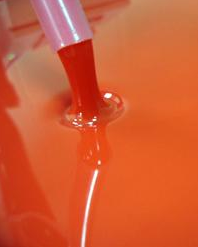
Casting polyurethane is a key step in manufacturing many products, from soft foams to rigid plastics. The casting process involves mixing polyol with isocyanate, triggering a chemical reaction that forms the polyurethane matrix. Precise component dosing and temperature control are critical for ensuring a uniform, high-quality final product.
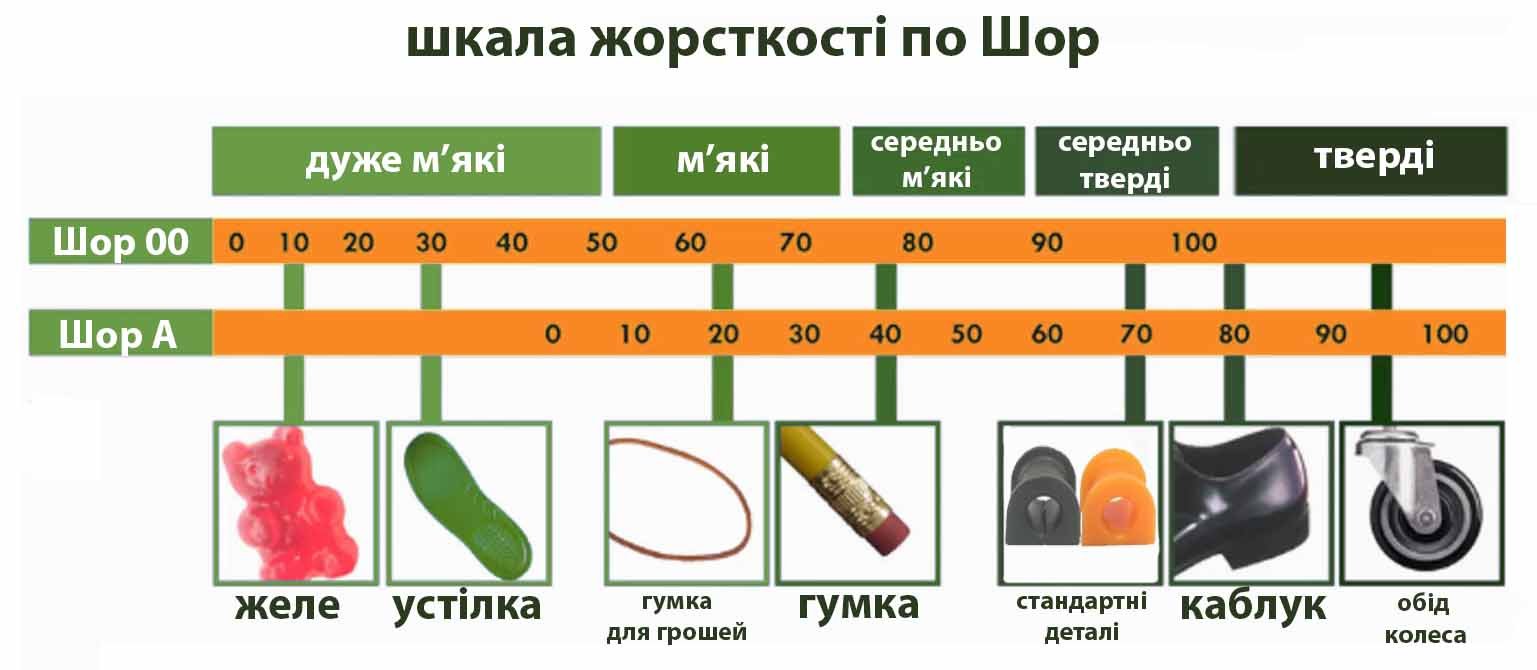
Depending on the product's purpose, casting methods can vary. For example, flexible foams are cast in open molds, while rigid polyurethanes use closed press molds. This makes it possible to achieve different densities and mechanical properties in the material. The table below compares the characteristics of polyurethanes produced using different casting methods:
Casting Method.... | Density (kg/m³).... | Shore Hardness.... | Application Examples |
Open molds.... | 20-50.... | A 20-70.... | Furniture cushions, mattresses |
Closed press molds.... | 600-1000.... | D 60-95.... | Device housings, automotive parts |
Beyond traditional methods, modern technologies such as reaction injection molding (RIM) and spray polyurethane are expanding what's possible with this material. RIM makes it possible to produce complex parts with high precision, while spray polyurethane is used for seamless coating of large surfaces — for example, in building thermal insulation. Both methods require highly specialized equipment and expertise to achieve optimal results.
How Is Polyurethane Marked in Labeling and Trademarks?
In the automotive industry, polyurethane marking plays a key role in determining whether a given grade is suitable for use in a specific component. Manufacturers use special codes to identify the type of polyurethane, its properties, and its intended use. Here are a few things worth paying attention to when reading polyurethane markings:
Polymer type: whether it's pure polyurethane or a modified grade (for example, with added silicone).
Material density: an important parameter that affects the strength and weight of the part.
Heat resistance: shows the maximum temperature at which the material retains its properties.
Trademarks used for polyurethane products often include information about the manufacturer and the product line. This allows customers to easily identify the product and its characteristics. For example, the marking may include:
Trademark: often associated with certain quality standards.
Serial number: helps trace the product batch and confirm compliance with standards.
Quality certificates: confirm the material's compliance with international standards.
Can Polyurethane Be Used in the Automotive Industry?
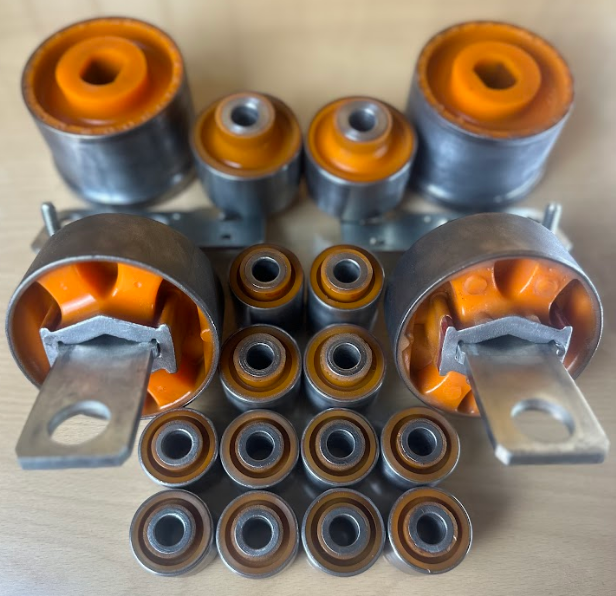
Polyurethane has found wide use in the automotive industry thanks to its outstanding properties — strength, flexibility, and resistance to aging. It's used in manufacturing seats, steering wheels, suspension components, and other parts that need to be durable and comfortable. Polyurethane foams are also used for sound and thermal insulation, which is critical for creating a comfortable, safe cabin environment.
Not all types of polyurethane are the same, and choosing the right one depends on the specific application. For suspension components, for example, thermoplastic polyurethane (TPU) is used for its high wear resistance and elasticity. For car interiors, manufacturers prefer flexible polyurethane foams that provide comfort and passenger safety. To get the best results, it's important to follow the technical requirements and recommendations of polyurethane manufacturers, and to use specialized technical data sheets (tip sheets) that describe the material's properties and processing methods.
Can You Make Polyurethane Car Parts at Home, and What Are the Risks?
Making polyurethane car parts at home is technically possible, but it requires specialized knowledge and equipment. The advantages of this approach are the ability to customize parts to individual needs and save money. However, there are significant risks — failing to follow proper technical standards can result in low-quality parts that compromise the safety and reliability of the vehicle. Improperly made polyurethane can end up either too weak or too hard, and may lack the temperature and chemical resistance that's critical for automotive use. Because of this, you should carefully weigh the responsibility involved and the potential impact on road safety before deciding to make polyurethane parts yourself.
So, let's sum up:
We've taken a detailed look at polyurethane — a key material in the modern automotive industry. Thanks to its unique properties — high strength, elasticity, wear resistance, and heat resistance — polyurethane is widely used in manufacturing a range of automotive components, from seals to body elements. We covered the different types of polyurethane, their properties, and how they're used in the automotive industry, and looked at the key aspects of manufacturing and labeling this material — noting that, depending on how the raw material is processed, polyurethane can be as soft as silicone or as hard as plastic.
It's important to remember that choosing the right type of polyurethane and following quality standards are critical for the safety and durability of automotive parts. We also covered the question of making polyurethane parts yourself, highlighting the potential risks and the importance of experience and expertise in the process.
In short, polyurethane isn't just an innovative material of our time — it's a key element driving technical progress and rising standards in the automotive industry. This material opens up new possibilities for developing more efficient, safer, and more durable automotive components, marking an important step toward the future of innovative transportation solutions.
